
Rockets & Technology
SpaceX Starship: Technology, Design and the Future of Spaceflight
Explore SpaceX Starship's reusable rocket architecture, Super Heavy booster, Raptor engines, methane propulsion, orbital refuelling and potential role in future space exploration.
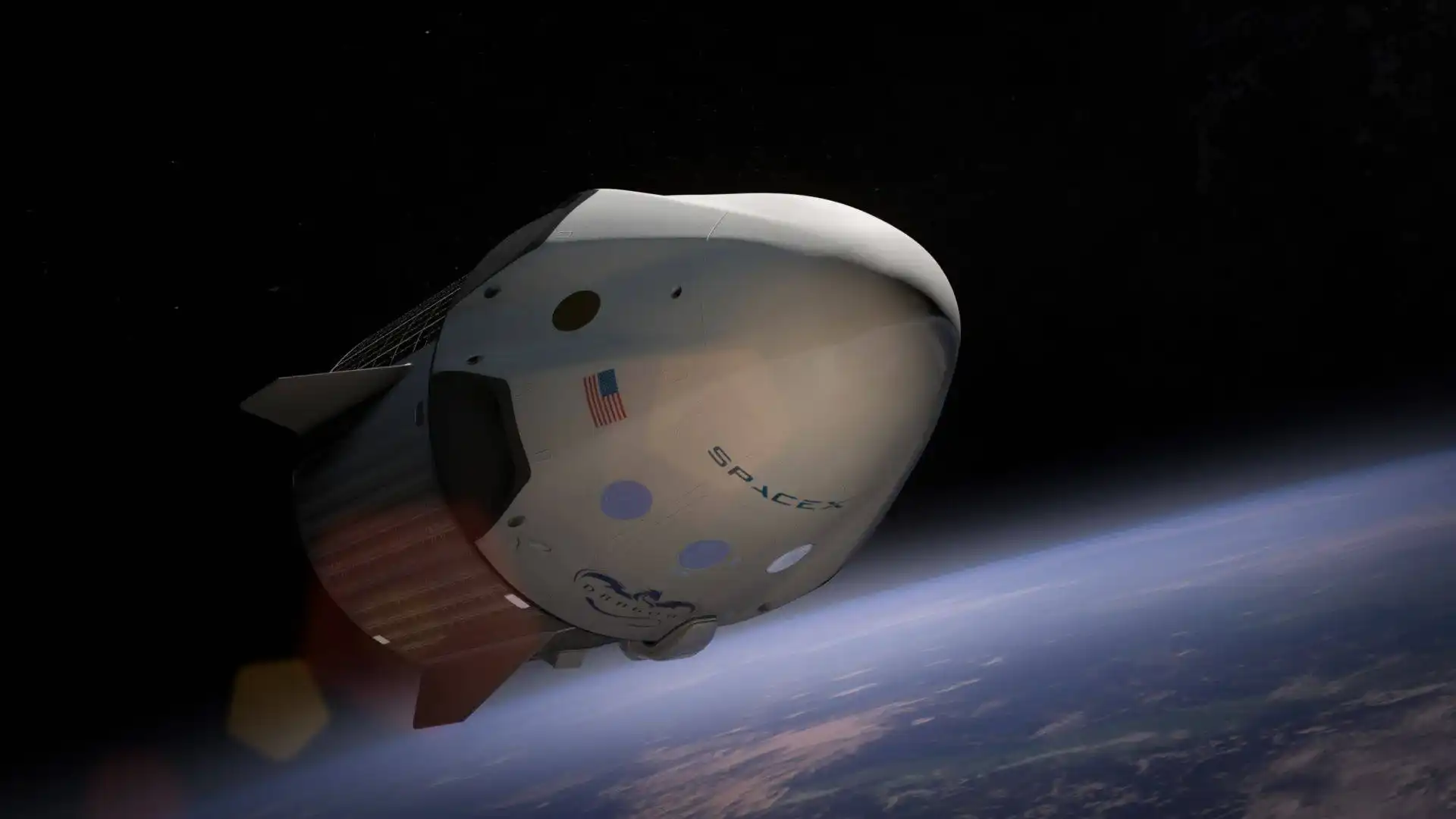
Space transportation is undergoing a major technological transformation, and SpaceX Starship is one of the most ambitious launch systems currently under development. Designed around full reusability, Starship aims to transport people and cargo into Earth orbit and potentially support missions to the Moon and Mars. Its architecture combines a large first-stage booster with a reusable upper-stage spacecraft. If the system can achieve reliable recovery, refurbishment and frequent operations, it could change how large payloads are transported into space and influence the economics of future space exploration.
What Is SpaceX Starship?
Starship is a two-stage launch system developed by SpaceX. Its first stage is called Super Heavy, while the upper stage is known as Starship. Super Heavy provides the initial thrust needed to lift the complete vehicle away from Earth. Following stage separation, Starship continues its journey using its own engines and is designed to operate in space. The upper stage is intended to return to Earth for recovery and reuse, while the booster is also designed for recovery. Together, the two stages form a transportation system intended for a wide range of missions, including satellite deployment and deep-space exploration.
How Does the Starship Launch System Work?
During launch, the Super Heavy booster produces the thrust required to accelerate the vehicle through Earth's lower atmosphere. Once the vehicle reaches the appropriate flight conditions, the stages separate and Starship continues its journey. The upper stage uses its engines to reach the required trajectory or orbit, depending on the mission. After completing its planned operations, Starship is designed to re-enter Earth's atmosphere and perform a controlled return. Both stages involve complex guidance, navigation, thermal protection and recovery systems. Demonstrating these operations reliably is essential before the system can support demanding operational missions.
The Raptor Engine and Methane Propulsion
Starship uses SpaceX's Raptor engines, which burn liquid methane and liquid oxygen. These propellants are stored at extremely low temperatures and must be managed carefully throughout the vehicle's operation. Methane is an important part of the system's design because it offers useful performance characteristics and can support future concepts involving the production of fuel from resources available on Mars. The Raptor engine uses a full-flow staged-combustion cycle, a complex propulsion architecture designed to improve engine performance. Developing and operating engines of this type at the scale required for Starship presents substantial engineering challenges.
Why Is Rocket Reusability Important?
Many traditional orbital launch vehicles discard major components after completing a mission. Reusable rocket systems aim to recover important hardware and fly it again, potentially reducing the need to manufacture an entirely new vehicle for every launch. However, recovering a rocket does not automatically make it inexpensive to operate. Vehicles must be inspected, maintained, refurbished and tested before returning to service. Thermal protection, engine reliability, structural durability and recovery infrastructure all influence the overall cost. The economic value of reusability ultimately depends on how frequently a vehicle can fly and how much work is required between missions.
Orbital Refuelling and Deep-Space Missions
One of the major technologies associated with Starship's future lunar and deep-space ambitions is orbital refuelling. A spacecraft carrying a large quantity of fuel from Earth's surface faces significant mass and performance limitations. Refuelling in orbit could allow a vehicle to launch with an initial propellant load and receive additional fuel from another spacecraft before travelling farther into space. This approach requires reliable spacecraft docking, fluid transfer and cryogenic propellant storage in orbit. These operations are technically demanding and must be demonstrated before they can support routine lunar or Mars missions.
Starship's Role in NASA's Artemis Program
Starship has an important role in NASA's lunar exploration plans through the Human Landing System program. SpaceX has been selected to develop a Starship-based lunar lander for an Artemis mission. The lunar landing version is intended to transport astronauts between lunar orbit and the Moon's surface. It is part of a larger mission architecture that includes Orion, the Space Launch System and other supporting systems. The lunar lander requires additional development, including orbital refuelling, life-support capabilities and safe lunar landing and ascent operations. Selection for a NASA program does not mean that every planned capability has already been demonstrated.
Potential Applications Beyond Lunar Exploration
Starship is being developed for a variety of potential applications, including launching large satellite payloads, transporting cargo and supporting future human spaceflight. Its large payload volume could offer opportunities for spacecraft deployment and other missions that require substantial capacity. SpaceX has also described long-term ambitions involving Mars transportation. These applications depend on further development and successful demonstrations of the vehicle's capabilities. The actual commercial uses of Starship will depend on reliability, operational costs, launch frequency, regulatory approval and customer demand.
The Engineering Challenges Ahead
Developing a large reusable launch system involves challenges in propulsion, thermal protection, structural design, flight control and recovery operations. Orbital refuelling introduces additional requirements involving cryogenic fluid management and spacecraft coordination. Human transportation creates further demands for crew safety, life support and emergency systems. Test flights provide important engineering data, but individual successful demonstrations do not automatically establish that all planned capabilities are operational. Starship's long-term progress will depend on continued testing, design improvements and the ability to demonstrate reliable performance across different mission types.
The Future of Starship and Space Transportation
Starship represents an ambitious attempt to develop a reusable transportation system capable of supporting large-scale space activities. Its potential impact extends beyond rocket engineering to satellite operations, commercial launch services, lunar exploration and future deep-space missions. However, its ultimate influence will depend on whether it can achieve dependable operations and demonstrate the economic advantages of reusability. As development continues, Starship will remain an important project to follow when examining the future of commercial spaceflight and the technologies needed to make space transportation more capable.