
Space Economy
The Space Economy: How Space Is Becoming a Global Industry
Explore the global space economy, including commercial satellites, rocket companies, space technology, private investment, telecommunications and the growing business opportunities beyond Earth.
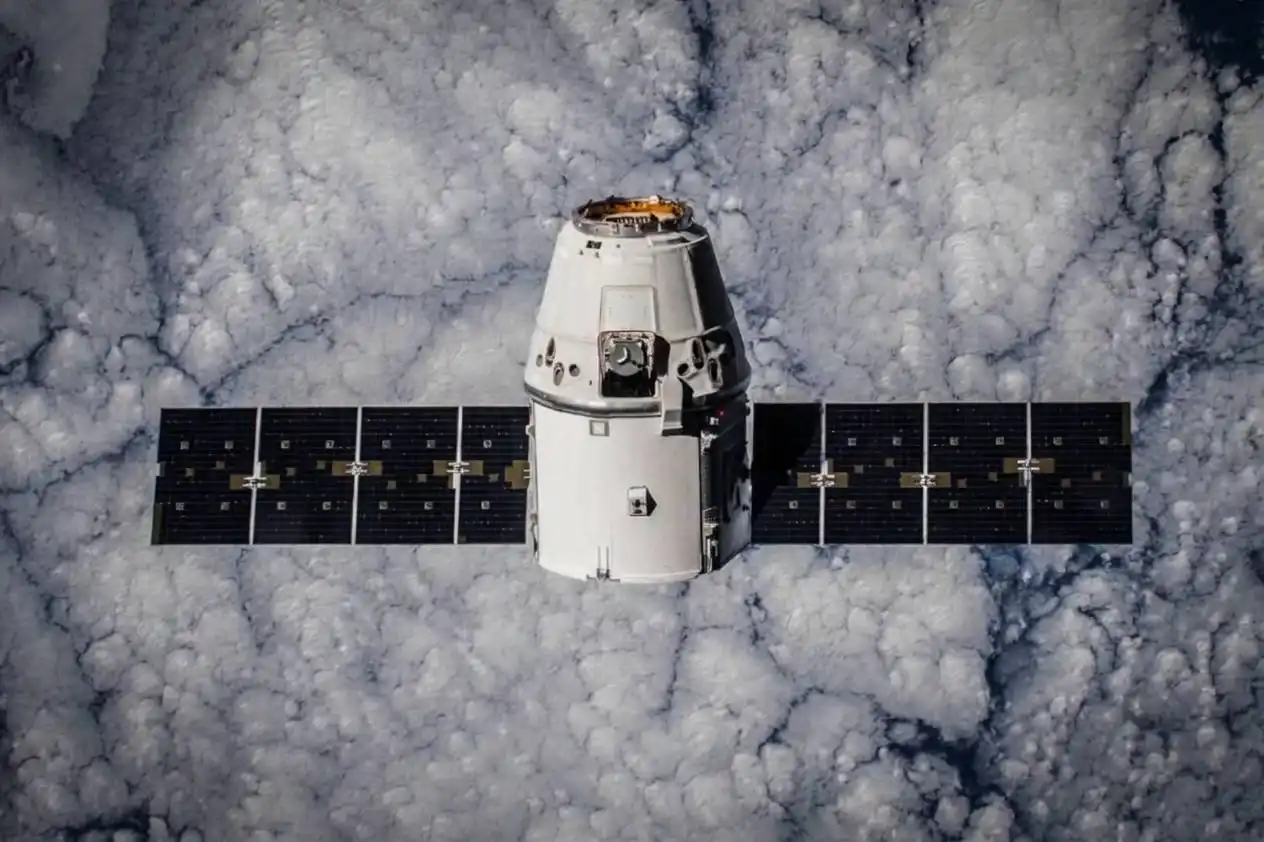
Space is no longer an industry dominated exclusively by government-funded exploration programmes. Private companies now develop rockets, manufacture satellites, provide launch services and operate technologies that support communications, navigation and Earth observation. These activities form part of the global space economy, a broad industry connecting aerospace engineering, telecommunications, scientific research, manufacturing and digital services. As access to space develops, commercial organisations are finding new ways to use satellite data and space-based infrastructure to support businesses and everyday activities on Earth.
What Is the Space Economy?
The space economy includes the activities, products and services associated with exploring, accessing and using space. It covers the development and manufacturing of spacecraft, rockets, satellites, ground infrastructure and supporting technologies. It also includes services that depend on space-based systems, such as satellite communications, navigation, weather monitoring and Earth observation. Some activities take place directly in space, while many others create economic value on Earth by using information collected from satellites. This makes the space economy much broader than rocket launches and astronaut missions alone.
How Large Is the Global Space Economy?
The economic footprint of space activities has expanded as satellite services, commercial launch operations and private investment have developed. The OECD's 2026 Space Economy at a Glance report estimates that global space-related revenues reached approximately 550 to 600 billion US dollars in 2025, depending on the scope of activities included. These estimates cover a broad range of space-related products and services rather than only spacecraft manufacturing or launch revenue. The figures illustrate how satellite communications, navigation, Earth observation and other space-enabled services have become significant parts of the wider global economy.
The Commercial Satellite Industry
Satellites are one of the most commercially important parts of the space economy. Businesses use them to provide broadband internet, television broadcasting, mobile communications, navigation and environmental monitoring. Large satellite constellations are being developed to provide wider coverage and connect users in areas where traditional communications infrastructure is limited. Earth observation companies also sell satellite imagery and data to organisations involved in agriculture, insurance, construction, transportation and environmental management. These businesses demonstrate how information collected from orbit can create commercial value across many different industries.
Rocket Companies and Commercial Launch Services
Commercial launch providers play an important role by transporting satellites and other payloads into orbit. Companies compete through launch reliability, payload capacity, mission scheduling, pricing and access to different orbital destinations. Reusable rocket technology is another important area of development because recovering and flying major rocket components again could change the economics of launch operations. However, recovery and refurbishment still require engineering work and operational investment. The long-term commercial advantage depends on how reliably launch vehicles can operate and how frequently their components can be reused.
How Space Technology Supports Other Industries
Space technology supports a wide range of economic activities beyond the aerospace sector. Satellite navigation helps transportation companies manage routes, track vehicles and coordinate deliveries. Earth observation data can help farmers monitor crops, estimate agricultural conditions and identify environmental changes. Insurance companies may use satellite imagery to assess damage after floods, storms and other natural disasters. Telecommunications providers rely on satellites to connect remote areas and support broadcasting services. These applications show that the economic value of space infrastructure often comes from services delivered to customers on Earth rather than activities performed in orbit.
Government Space Agencies and Private Companies
Government agencies and private companies have different but increasingly connected roles in the space economy. Public organisations fund scientific research, develop exploration programmes, establish regulations and purchase commercial services. Private companies manufacture spacecraft, operate launch systems, build satellite networks and provide specialised technologies. Government contracts can create demand for commercial services while allowing agencies to focus on scientific and exploration objectives. This relationship has become particularly important in areas such as cargo transportation, crewed spacecraft development, lunar landing systems and satellite communications.
Investment and Business Opportunities in Space
Investment opportunities in the space industry extend across several different business segments. These include rocket manufacturing, satellite production, ground equipment, propulsion systems, communications infrastructure, Earth observation services and software platforms that analyse satellite data. Companies may generate revenue by selling hardware, operating spacecraft, providing launch services or supplying data to commercial and government customers. However, space businesses can face high development costs, long project timelines, technical uncertainty and regulatory requirements. Commercial potential therefore depends on more than technological innovation; companies must also demonstrate sustainable demand and reliable operations.
The Growing Role of Small Satellites
Smaller satellites have helped expand participation in the space industry. CubeSats and other compact spacecraft can be developed for scientific research, technology demonstrations, Earth observation and communications experiments. Their smaller size can reduce some manufacturing and launch costs, making space projects more accessible to universities, research institutions and emerging businesses. Commercial rideshare programmes also allow several small spacecraft to share the capacity of a single rocket. Although small satellites have limitations in power, payload capacity and operational lifetime, they have created new opportunities for innovation and participation in space activities.
Challenges Facing the Space Economy
The expansion of commercial space activities creates several important challenges. Increasing numbers of satellites raise concerns about orbital congestion, collision risks and the long-term accumulation of space debris. Radio-frequency interference, cybersecurity, international regulations and access to critical space infrastructure also require attention. Businesses must manage the financial risks associated with expensive development programmes and uncertain market demand. As more industries depend on satellite services, disruptions to space infrastructure could affect communications, navigation, transportation and other important services. Responsible operations and international cooperation will therefore be essential for sustainable growth.
What Is the Future of the Global Space Economy?
The space economy is expected to continue developing through satellite networks, commercial launch services, Earth observation, scientific missions and new space-based infrastructure. Future opportunities may include more advanced communications systems, improved satellite data services, commercial space stations and technologies supporting lunar exploration. However, growth will depend on reliable hardware, sustainable business models, responsible orbital operations and continued demand from governments and commercial customers. The industry is moving beyond traditional government-led exploration toward a broader ecosystem in which private companies, research institutions and public agencies contribute to the development of space technology and services.