
Space Missions
Artemis Program: NASA's Plan to Return Humans to the Moon
Explore NASA's Artemis program, including its Moon missions, Space Launch System rocket, Orion spacecraft, lunar landing technology and plans for future human exploration.
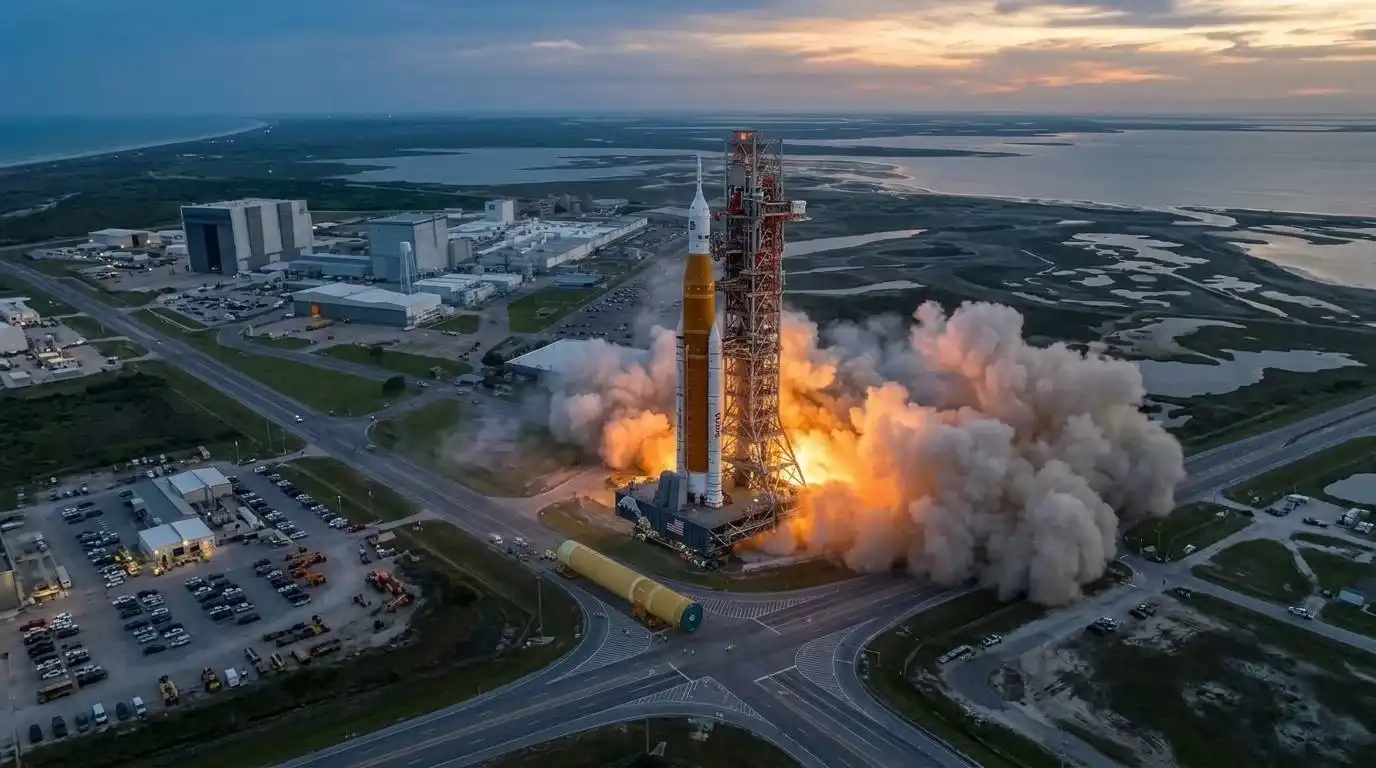
Human exploration of the Moon is entering a new era through NASA's Artemis program. The initiative aims to return astronauts to the lunar surface, develop technologies for longer space missions and expand scientific research beyond Earth. Unlike the Apollo program, which focused on achieving the first human Moon landings, Artemis is designed as a broader exploration effort involving international partners and commercial space companies. Its objectives include studying the lunar environment, testing new transportation systems and developing experience that could support future human missions to Mars.
What Is the Artemis Program?
Artemis is NASA's program for human exploration of the Moon and the development of capabilities for future deep-space missions. It combines several major systems, including the Space Launch System (SLS) rocket, Orion spacecraft, lunar landing systems and supporting technologies. The program also involves international cooperation through contributions to lunar exploration infrastructure and scientific activities. One important objective is to explore regions near the lunar south pole, where permanently shadowed areas may contain water ice and other scientifically valuable materials.
The Space Launch System Rocket
The Space Launch System is NASA's heavy-lift rocket developed to transport astronauts and large payloads beyond low Earth orbit. Its design combines powerful core-stage engines, solid rocket boosters and an upper-stage system that helps send spacecraft toward their destinations. The rocket is designed for demanding missions that require substantial energy to travel beyond Earth. Its development also involves complex manufacturing, engine testing, launch infrastructure and safety requirements. The SLS provides the launch capability for Orion missions within the Artemis program.
The Orion Spacecraft and Crew Safety
Orion is the spacecraft designed to carry astronauts during missions beyond low Earth orbit. Its main components include the crew module, European Service Module and launch abort system. The crew module provides the environment in which astronauts live and work during their journey, while the service module supplies essential resources such as propulsion, electrical power and thermal control. The launch abort system is designed to move the crew module away from the rocket if a serious emergency occurs during launch. Orion must also withstand the intense heating experienced when returning through Earth's atmosphere.
How the Artemis Missions Work
Artemis missions are intended to demonstrate and gradually develop the systems required for human lunar exploration. Artemis I demonstrated the SLS and Orion systems through an uncrewed flight around the Moon. Subsequent missions are intended to build on that experience through crewed operations, spacecraft testing and preparations for lunar surface exploration. The wider mission architecture also involves commercial human landing systems, spacesuits, communications and other supporting technologies. Mission configurations and schedules can change as testing, engineering reviews and safety requirements develop, so NASA's official mission updates remain the best source for current plans.
Lunar Landers and the Gateway
Getting astronauts to the Moon requires more than a powerful launch vehicle and a crew spacecraft. NASA is working with commercial companies on human landing systems designed to transport astronauts between lunar orbit and the surface. SpaceX's Starship Human Landing System is one of the systems selected for Artemis lunar landing development. NASA and its international partners are also developing Gateway, a planned lunar-orbit outpost intended to support scientific research, technology demonstrations and future exploration activities. These systems form part of a larger transportation and infrastructure network for lunar missions.
Why Is Returning to the Moon Important?
The Moon provides an important environment for studying the formation and evolution of rocky worlds. Its surface preserves geological evidence from billions of years of Solar System history. Scientists are particularly interested in the lunar south pole because permanently shadowed craters may contain water ice. Studying these deposits could improve understanding of lunar resources and their potential uses in future exploration. The Moon also offers an opportunity to test life-support systems, surface equipment, power technologies and communication systems under conditions that are different from those on Earth.
How Artemis Could Support Future Mars Missions
Long-duration human missions to Mars will require reliable spacecraft, advanced life-support systems, radiation protection and the ability to operate far from Earth. Lunar exploration provides an opportunity to test some of these technologies and understand how astronauts respond to extended operations in a challenging environment. However, the Moon and Mars present different engineering and operational challenges. Artemis is not simply a direct rehearsal for a Mars landing; it is part of a broader effort to develop the knowledge, technology and international cooperation needed for future exploration beyond Earth.
The Future of the Artemis Program
The future of Artemis depends on the continued development and testing of its rockets, spacecraft, landing systems and supporting infrastructure. Funding, engineering progress, international cooperation and human-spaceflight safety all influence how the program develops. Each mission is intended to provide information and operational experience that can support later stages of lunar exploration. As new milestones are reached, the program could help establish a more sustained human presence beyond Earth while expanding scientific knowledge of the Moon and the wider Solar System.